Tiny Microbes may be Responsible for Largest Extinction Earth has ever seen
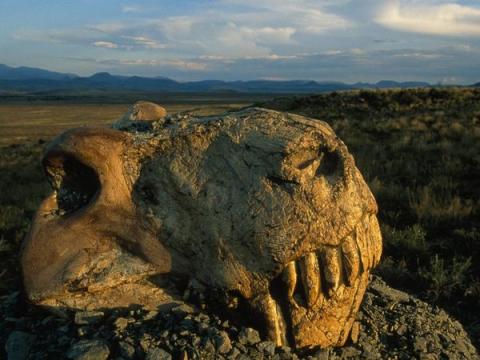
The end-Permian extinction that started some 252 million years ago and continued for 20,000 years is considered to be the most catastrophic mass extinction ever taken place on the planet Earth. By the time the extinction slowed down, around 90% of life on the Earth was destroyed.
It has been termed as one of the world's oldest murder mysteries. A recent research has tried to solve the mystery. Researchers from MIT and the Chinese Academy of Sciences in Nanjing, China have blamed tiny microbes found on the bottom of the ocean floor for the mass extinction.
Study researchers got a hint that microscopic microbes could be behind the mass extinction when they were looking at how carbon levels increased during that period. Geological records unveiled that carbon dioxide levels were quite high at that time. The rise in carbon levels would have led to acidification in oceans and Earth also witnessed a rise in heat levels, hence, making the environment hostile for survival.
But it could not be known as what led to rise in carbon levels. A number of researchers have tried to know the same and many of them said large amounts of carbon dioxide and other gases in the Earth's atmosphere were released due to volcanic eruptions in Siberia and led mass extinctions.
Other scientists have blamed as asteroid for the same. While trying to know the reason, MIT geophysicist Dan Rothman found the rise in carbon levels in a rapid upward curve.
"If the C02 came from the sudden combustion of a coal field in Siberia it wouldn't behave this way. It has this special character that is consistent with microbial processes", said Rothman. Methanosarcina was the microbe responsible for the ancient catastrophe. Presence of nickel in abundance at that time also led to a rise in microbe population.
Related Articles



Article Carousel



Popular Stories

A new lineup of desktop CPUs equipped with an innovative high-end Core i9 processors with 12 cores could soon be unveiled by Intel.

Ford Motor Company is reportedly preparing to slash its salaried workforce in North America and Asia by around 10 per cent as part of its efforts to boost profits and stock price.
Far-right Freedom Party has another chance as Austria goes for snap elections after mainstream parties announced end of their grand coalition.

Greece registered 0.5 percent decline in GDP for the first quarter of 2017. Economists were predicting a smaller increase in GDP during the first quarter but a decline by 0.5 percent has left many surprised about the strength of Greek economy.
A day before its planned liftoff with an Inmarsat communications satellite, SpaceX Falcon 9 rocket arrived at the historical launch pad 39A at NASA’s Kennedy Space Center in Florida on Sunday.

Greece has lowered GDP forecast in the latest budget estimates to 1.8 percent growth compared to 2.7 percent growth estimate earlier.
