Doncaster was Tropical Rainforest 300 million years back
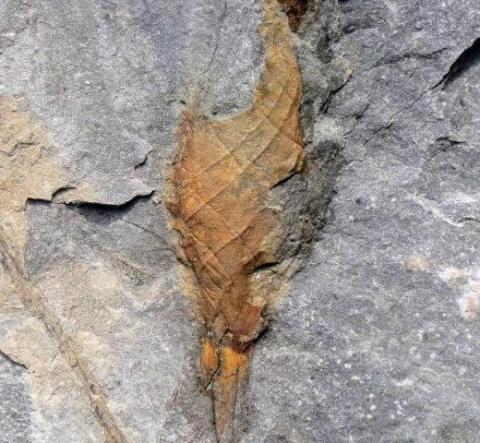
Doncaster, a town in South Yorkshire, England, would be among the last locations, which anybody would consider as a tropical paradise. But, this notion was made wrong when three local scientists unveiled the hidden history of the place as a tropical rainforest.
A year-long-research was carried in a pit tip and led to the discovery of a host of fossils, including a shark egg case and horseshoe crabs. All these discoveries uncovered an astonishing new picture of life, which existed there over 300 million years ago.
This research was followed up when fossils preserved in rocks that formed within the coal and shale deposits were discovered at a mining site in Edlington. Three researchers: archaeologist and Doncaster Heritage Services worker Peter Robinson, Balby-born palaeontologist Dean Lomax and enthusiast Brian Williams carried out this research. Their detailed findings have been published in this week's Geological Journal.
These fossils so discovered have largely made waves in the world of science, as they point out the most unusual things i. e. the existence of swamps, lagoons and sharks beneath the streets and suburbs of Doncaster. In the fossils so discovered few are of certain plants and creatures that are believed to be new to the world of palaeontology.
Mr. Robinson said, "If you imagine something like the Amazonian delta with lagoons, that's pretty much what all of South Yorkshire, or Doncaster at least, looked like. We've only been digging for a year and we've already found the shark egg case and the horseshoe crabs, which are really rare".
Funding for these initial stages of the project came from the Esmée Fairbairn Foundation. Though the funding has now come to an end, all the three researchers who live within 15 minutes of the site, have agreed to continue their research work.
